




गाँधी वध क्यों और कैसे ?: Gandhi Vadh Kyon Aur Kaise?
• Publisher: Amar Swami Prakashan Vibhag, Ghaziabad
• Author: Nathuram Godse
• Language: Hindi
• Edition: 2021
• Pages: 408
• Cover: Hardcover
• Dimension: 21.5 cm x 16.5 cm
• Weight: 580 gm
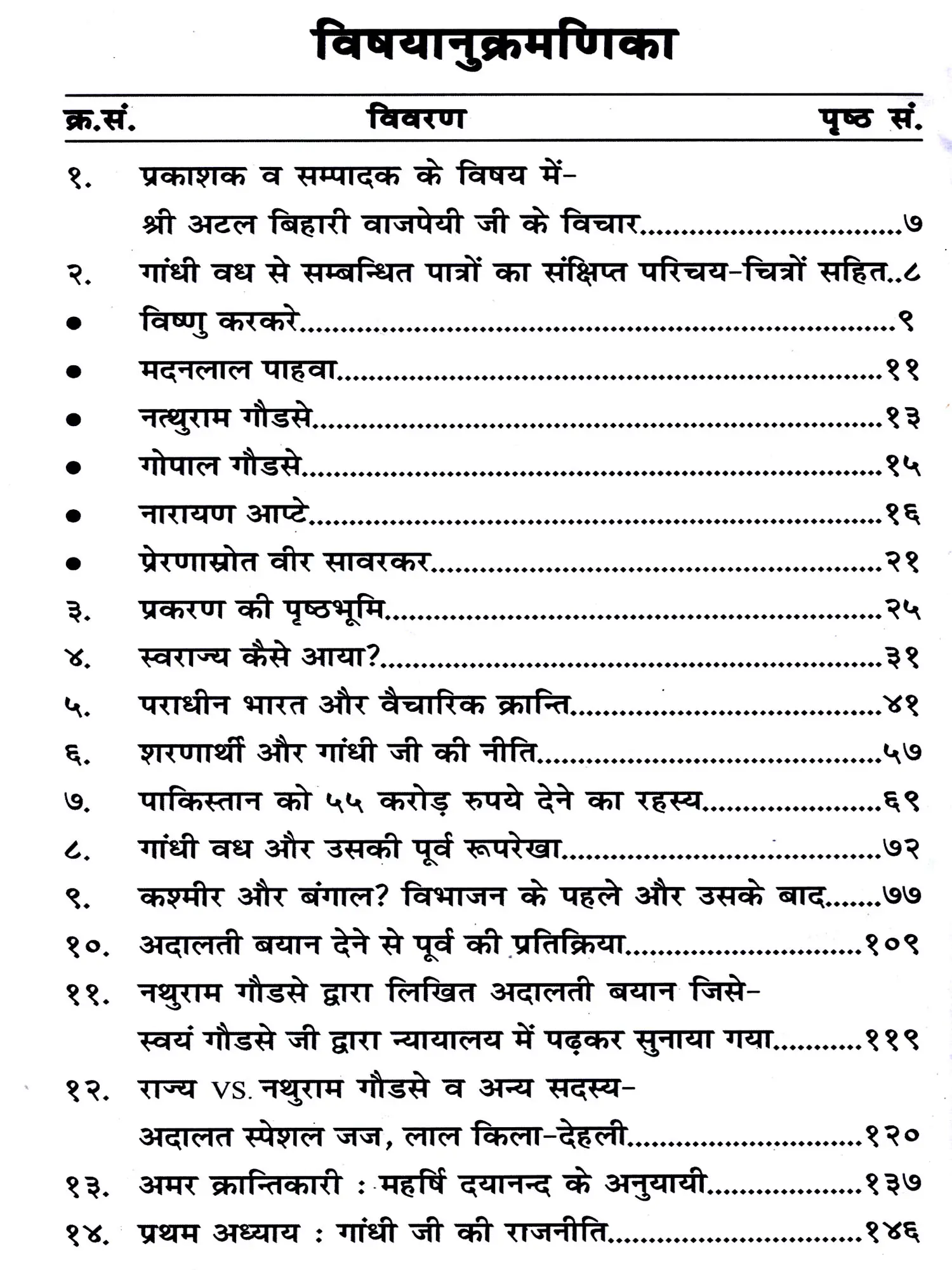
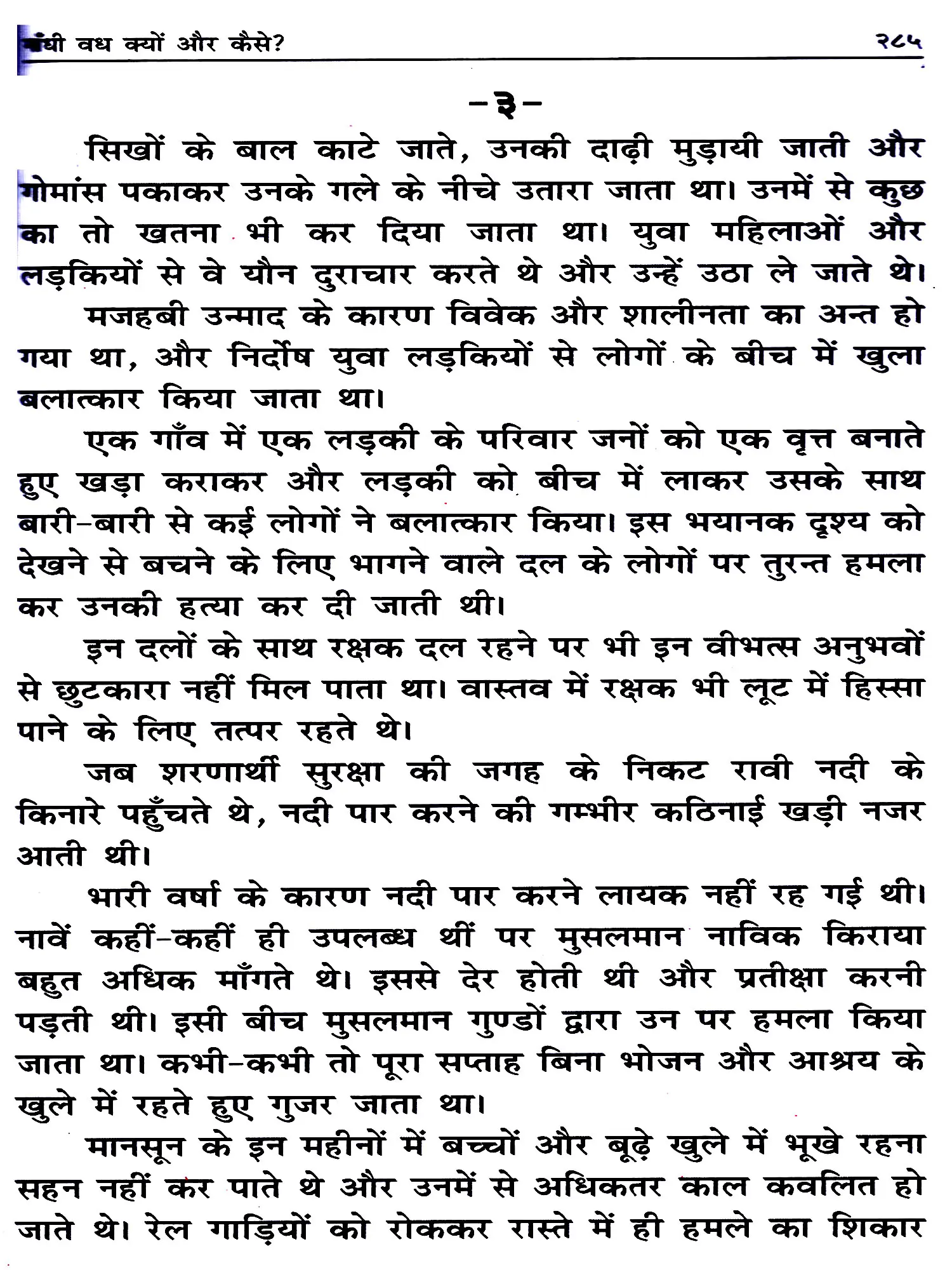
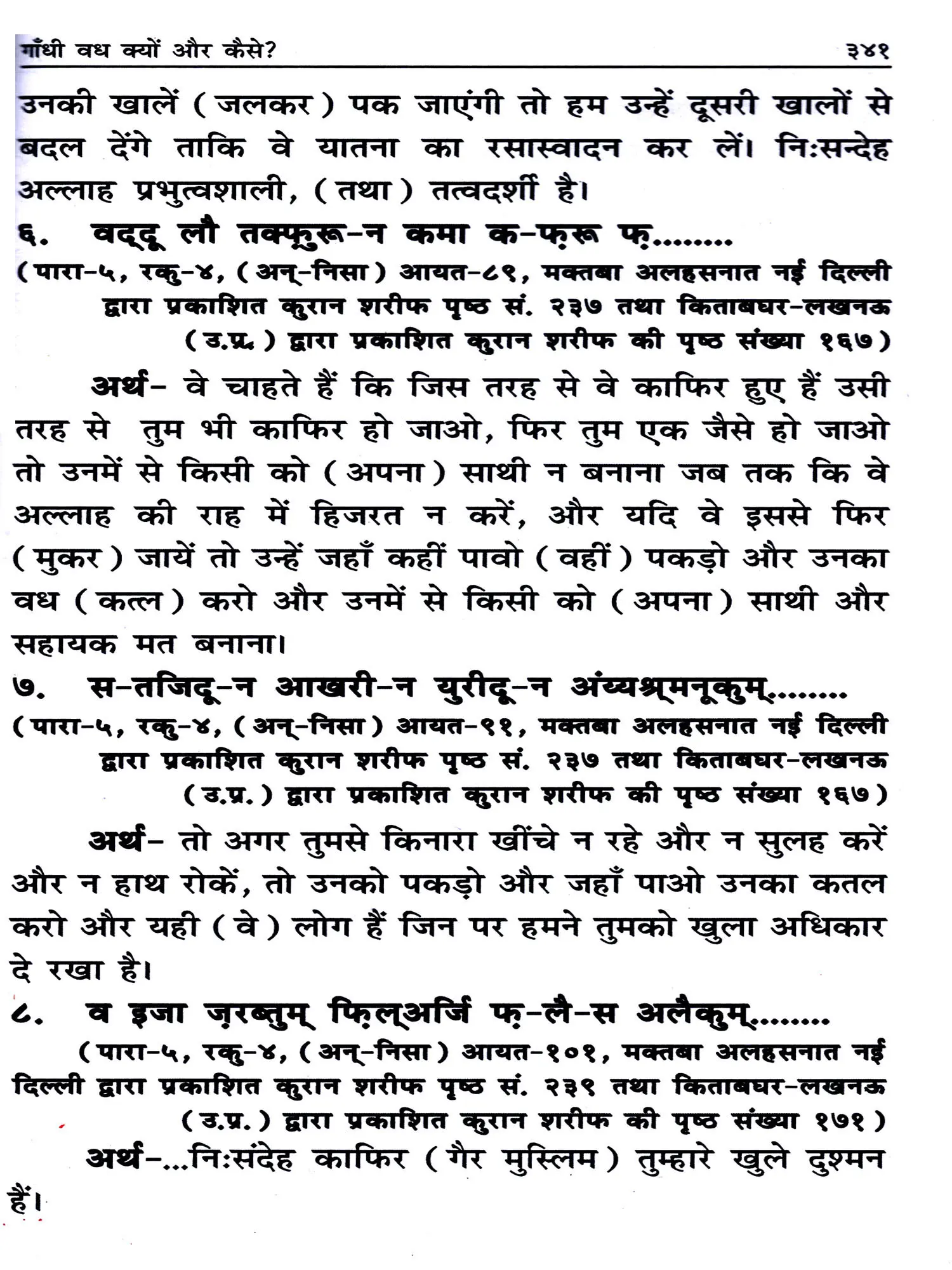
“Gandhi Vadh Kyon Aur Kaise?” is a controversial and historically significant work that presents the perspective surrounding the assassination of Mahatma Gandhi, including Nathuram Godse’s court statement. The book provides insight into the events, arguments, and ideological viewpoints associated with this critical moment in Indian history. Written in Hindi, it offers readers an opportunity to examine primary narratives and understand the context and reasoning presented during the trial. This work is often approached as a reference for those studying modern Indian history, political thought, and differing viewpoints of the independence era. Suitable for researchers, historians, and readers interested in exploring complex historical debates, the book encourages critical thinking and deeper analysis of one of the most discussed events in India’s past.
Product Information
Product Information
Shipping & Returns
Shipping & Returns
Description
• Publisher: Amar Swami Prakashan Vibhag, Ghaziabad
• Author: Nathuram Godse
• Language: Hindi
• Edition: 2021
• Pages: 408
• Cover: Hardcover
• Dimension: 21.5 cm x 16.5 cm
• Weight: 580 gm
“Gandhi Vadh Kyon Aur Kaise?” is a controversial and historically significant work that presents the perspective surrounding the assassination of Mahatma Gandhi, including Nathuram Godse’s court statement. The book provides insight into the events, arguments, and ideological viewpoints associated with this critical moment in Indian history. Written in Hindi, it offers readers an opportunity to examine primary narratives and understand the context and reasoning presented during the trial. This work is often approached as a reference for those studying modern Indian history, political thought, and differing viewpoints of the independence era. Suitable for researchers, historians, and readers interested in exploring complex historical debates, the book encourages critical thinking and deeper analysis of one of the most discussed events in India’s past.